
If you don't have a credit card — or just don't want to carry one — you can still get cash back two different ways: as physical cash in your hand at the checkout counter, or as rewards money deposited into your account over time. Neither one requires borrowing a cent.
Here's how each actually works.
Getting physical cash at checkout (no ATM needed)
Most people know this as "cash back" at the grocery store, and it works exactly like it sounds. Cash back at checkout is a service that lets you get physical cash when you pay with a debit card at participating stores — you tell the cashier how much extra cash you'd like, and that amount gets added to your purchase total.
The store isn't giving you free money — the full amount gets deducted from your checking account. Think of the cashier as a stand-in for the ATM. The store acts as a middleman between you and your bank — instead of driving to an ATM, you're essentially making a withdrawal right at the register.
Why bother? An out-of-network ATM fee can average nearly $5, and checkout cash back is usually free. Grocery stores, pharmacies, gas stations, and convenience stores commonly offer this, with limits that vary by retailer and may range from $5 to $200 per transaction.
A few things to know before you try it:
It's a debit card feature, not a credit card feature — you'll need your PIN.
Some terminals only offer it with a swipe or chip-and-PIN, not with tap-to-pay.
Limits and fees vary by store, so it's worth asking the cashier first if you're not sure.
Earning cash back without a credit card
The other kind of "cash back" — the reward-money kind — doesn't require a credit card either. There are two main ways to earn it.
Cashback debit cards
Cashback debit cards. These work almost exactly like the rewards programs on credit cards, minus the borrowing. When you spend on a cashback debit card, the money for the purchase is immediately taken from your checking account, and when you earn rewards, they're automatically deposited into your account. There's no bill to pay later and no interest to worry about, because you're only ever spending money you already have.
Rates aren't usually as generous as top credit cards. Cash back debit cards offer rewards on your everyday purchases or on purchases with select merchants, but rewards rates typically aren't as lucrative compared to cash back credit cards. Some cards also come with strings attached — monthly caps that limit how much you can earn, or minimum balance requirements to qualify for rewards. It's worth reading the fine print on any debit card before assuming you're getting the best deal, and if you ride-share often, it's also worth knowing that some credit cards offer cash back on those fares specifically.
Rebate and cashback apps
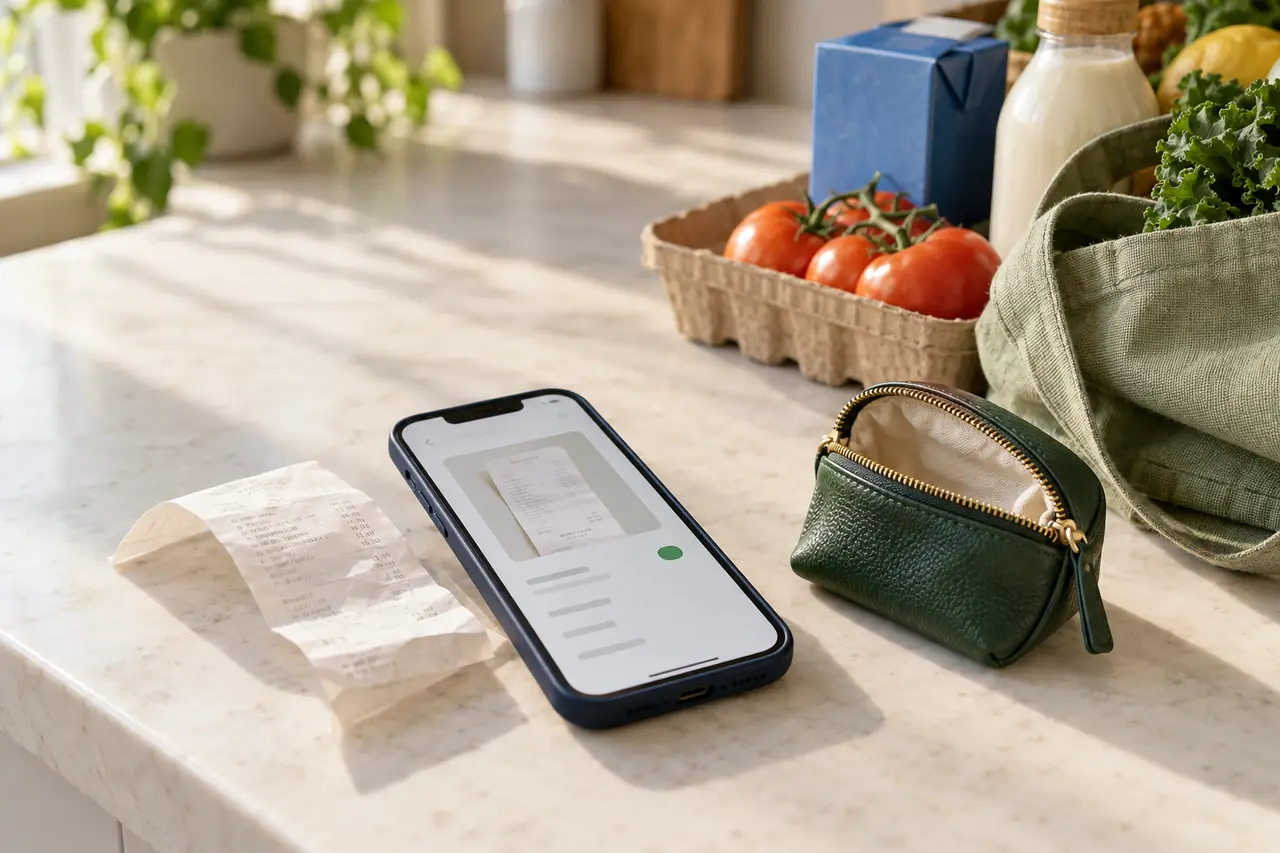
Rebate and cashback apps. These are separate from your bank account entirely. Apps like Ibotta, Fetch Rewards, and Checkout 51 pay you back on purchases you were already planning to make. You sign into the app, find a store you want to shop at, click through to make a qualifying purchase, and cash back is credited to your account. Grocery-focused apps often work by receipt: Fetch Rewards is a free rebate app designed for grocery shopping — you snap a picture of your receipt and upload it to earn points for participating purchases.
Gas-focused apps work a little differently, using the card network instead of a receipt. The cash-back mechanism requires no changes to store operations because verification happens through card networks — customers claim offers in the app before pumping gas, pay with their registered card, and the app deposits cash back into their account.
Which option makes sense for you
Need actual cash in your wallet right now, without an ATM fee? Checkout cash back at a grocery store or pharmacy is usually the cheapest way to get it.
Want ongoing rewards on spending you're already doing? A cashback debit card turns your everyday purchases — gas, groceries, bills — into small deposits back into your account.
Buy specific brands or shop at specific stores regularly? A rebate app can stack on top of whatever card you're already using.
None of these require good credit, a credit check, or taking on debt. They're built around money you already have, which makes them a solid fit if you're trying to avoid credit cards altogether — whether that's by choice, or because approval isn't an option right now.
One habit worth building either way: check your account after any cash-back transaction, whether at the register or through an app, just to confirm the amount matches what you expected. Mistakes are rare, but they're easiest to fix the same day.
If you're looking for a debit card that pays you back automatically on everyday spending — no credit card, no interest, no bill — the B9 Debit Card is built for exactly that.